New Zealand Economy Shows Signs of Recovery – New Zealand’s economy is showing early signs of recovery, with recent GDP growth figures offering cautious optimism for households across the country. After a challenging period marked by high inflation, rising interest rates, and cost-of-living pressures, the latest data suggests economic activity is beginning to stabilise. For families, these shifts matter because GDP growth often influences job security, wage trends, government spending, and everyday household expenses. Understanding what this recovery means in practical terms can help New Zealanders plan budgets, manage debt, and make informed financial decisions in the months ahead.
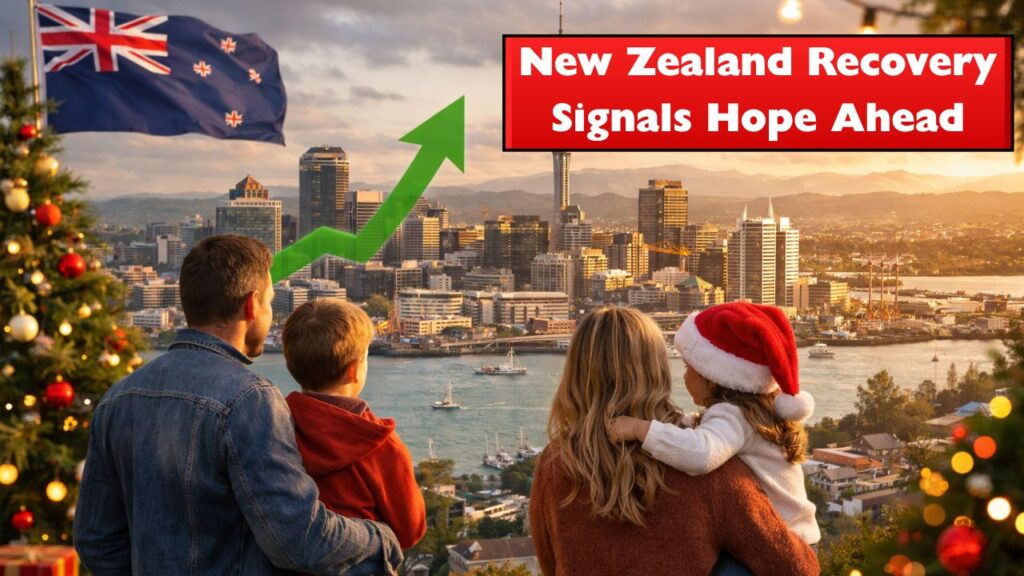
GDP Growth Recovery and What It Means for Families Across New Zealand
The recent GDP growth signals that New Zealand’s economy is slowly regaining momentum after a prolonged slowdown. For families across New Zealand, this recovery may translate into improved employment conditions, with businesses becoming more confident to hire and retain staff. While growth remains modest, even small gains can ease pressure on household incomes over time. Economic recovery also supports government revenues, which can strengthen funding for health, education, and social services that families rely on daily. However, economists caution that recovery does not instantly reduce living costs, and households may still need to budget carefully as economic conditions normalise.
 Goodbye to Retirement at 67 in New Zealand : Government Confirms New Pension Age From Next Year
Latest New Zealand Economic Data and Household Cost Pressures
The latest New Zealand economic data highlights uneven recovery across sectors, which directly affects household cost pressures. Areas such as tourism and services are rebounding faster, helping regional economies and family-owned businesses. However, essential expenses like groceries, rent, and utilities remain elevated, limiting immediate relief for many households. For parents and working adults, GDP growth alone does not guarantee higher disposable income, but it does reduce the risk of further economic contraction. Over time, steady growth can support wage negotiations and ease inflation, gradually improving financial stability for families nationwide.

| Economic Indicator | Latest Update |
|---|---|
| GDP Growth Trend | Slow but positive recovery |
| Employment Outlook | Stabilising with gradual improvement |
| Inflation Pressure | Still elevated but easing |
| Impact on Families | Improved confidence, limited short-term relief |
How Economic Recovery Affects New Zealand Households Long Term
For New Zealand households, the long-term impact of economic recovery is often more important than short-term GDP movements. Sustained growth can encourage businesses to invest locally, creating more stable jobs and supporting career progression for workers. Families may benefit from better access to credit, improved wage growth, and increased government capacity to support childcare, housing, and transport initiatives. While recovery does not erase financial stress overnight, it creates a foundation for gradual improvement. Households that plan ahead, manage debt, and monitor economic trends are better positioned to benefit as conditions strengthen.
New Zealand GDP Trends and Financial Planning for Residents
Understanding New Zealand GDP trends can help residents make smarter financial planning decisions. When the economy shows consistent recovery, families may feel more confident about long-term commitments such as home ownership, education costs, or retirement savings. However, cautious planning remains essential, especially while interest rates and living costs remain relatively high. Financial advisers often recommend building emergency savings and avoiding overextension during early recovery phases. By staying informed about national economic indicators, New Zealand residents can balance optimism with caution and protect household finances during this transitional period.
Frequently Asked Questions (FAQs)

1. Does GDP growth mean living costs will fall immediately in New Zealand?
No, GDP growth signals recovery but does not instantly reduce everyday living costs.
2. Will economic recovery improve job security for New Zealand families?
Yes, gradual recovery usually supports more stable employment over time.
3. How does GDP growth affect government support for households?
Higher GDP can increase government revenue, supporting public services and assistance.
4. Should families change financial plans due to New Zealand’s recovery?
Families should stay cautious, plan ahead, and adjust gradually as conditions improve.